What is a fashion editorial wedding photographer
There are terms that seem self-explanatory, almost obvious at first glance, and yet, when you take the time to look at what they truly hold, they reveal something much more complex, much more nuanced than what they suggest.
“Fashion editorial wedding photographer” is one of them.
It could be reduced to an aesthetic, to a way of composing images that feel elevated, inspired by magazines, by a certain idea of elegance or visual strength.
But that would only be a surface.
Because what is really at stake is not how it looks, but how it is built, how it is experienced, and what remains once the image is no longer just seen, but felt.
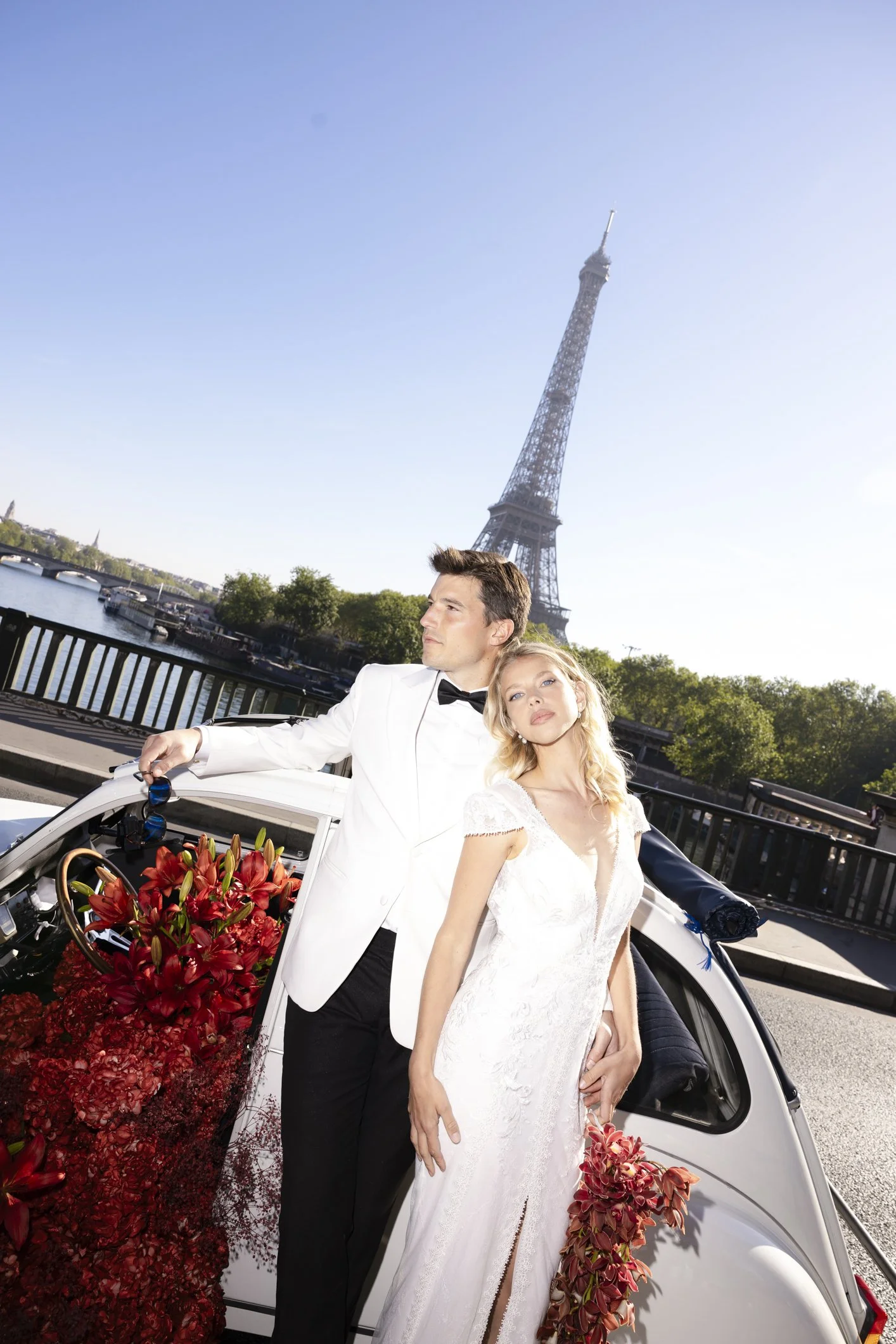
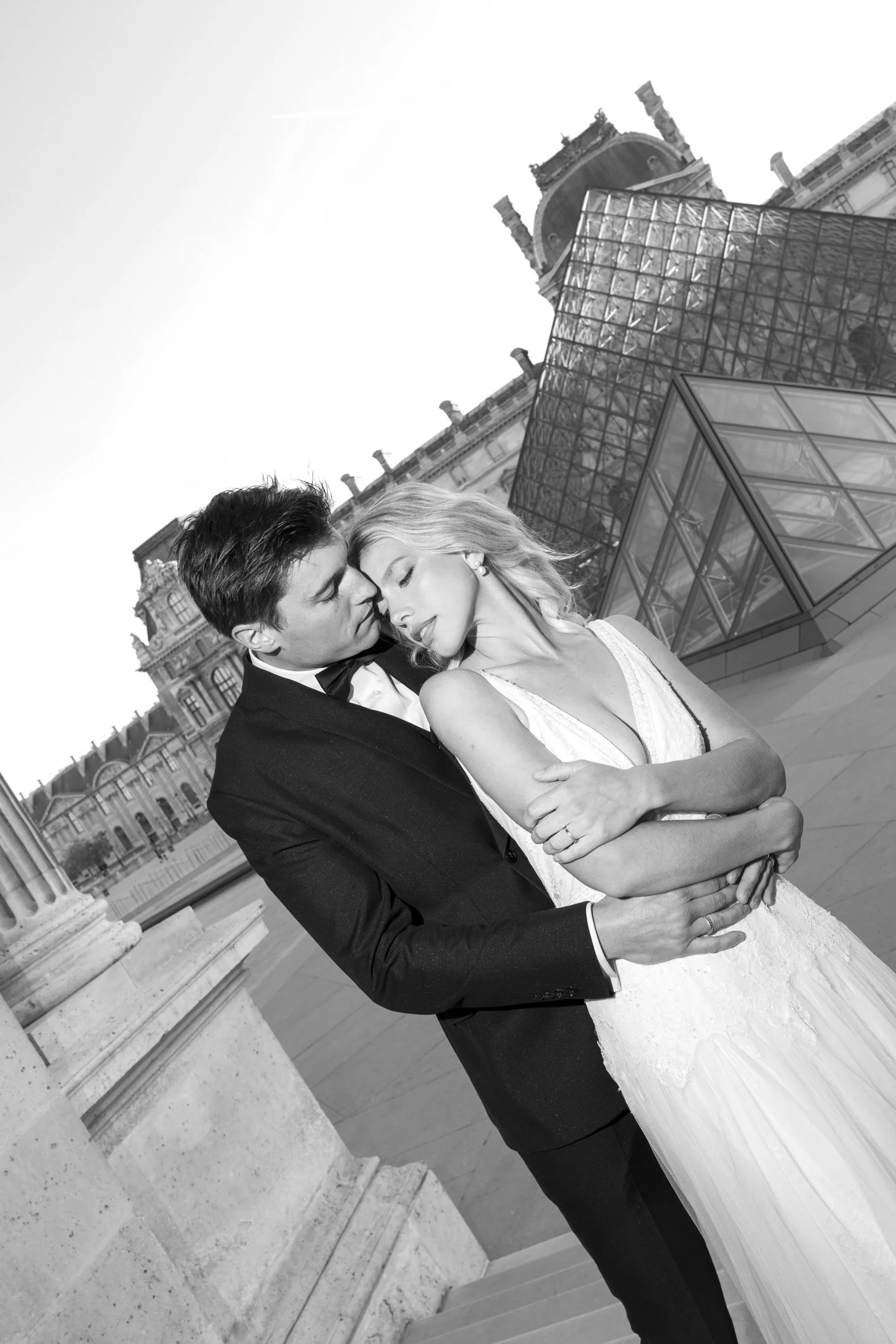
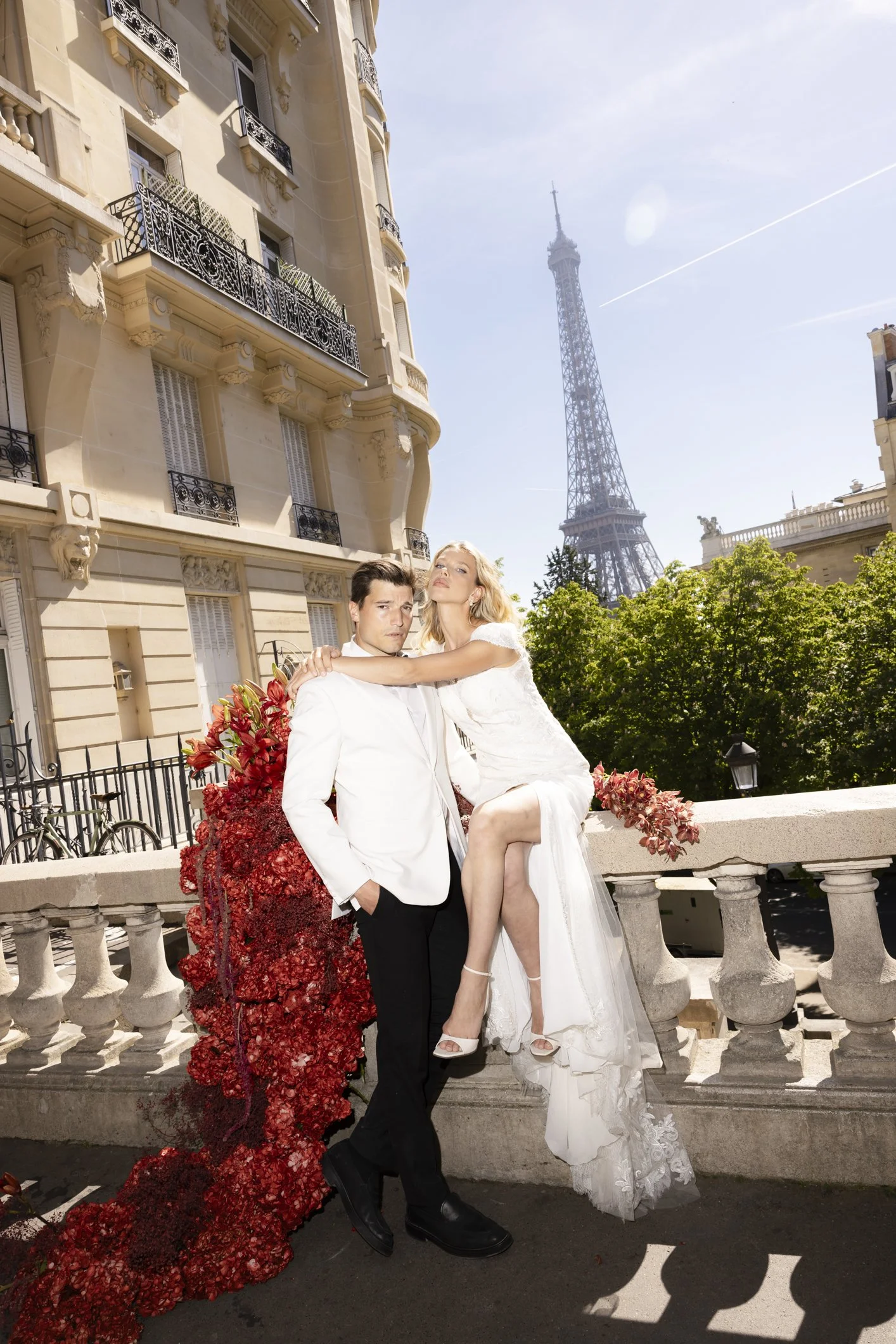
A definition beyond aesthetics
If we were to define fashion editorial wedding photography only through its visual characteristics, we would reduce it to something decorative, something that can be identified at a glance but not truly understood.
There are, of course, recognizable elements, a certain attention to composition, to posture, to the way light shapes a presence, to the intention behind each frame, all of which echo a visual culture shaped in part by publications such as Vogue or Harper's Bazaar.
This approach is also closely connected to what I call loose editorial wedding photography, blending movement, direction and spontaneity.
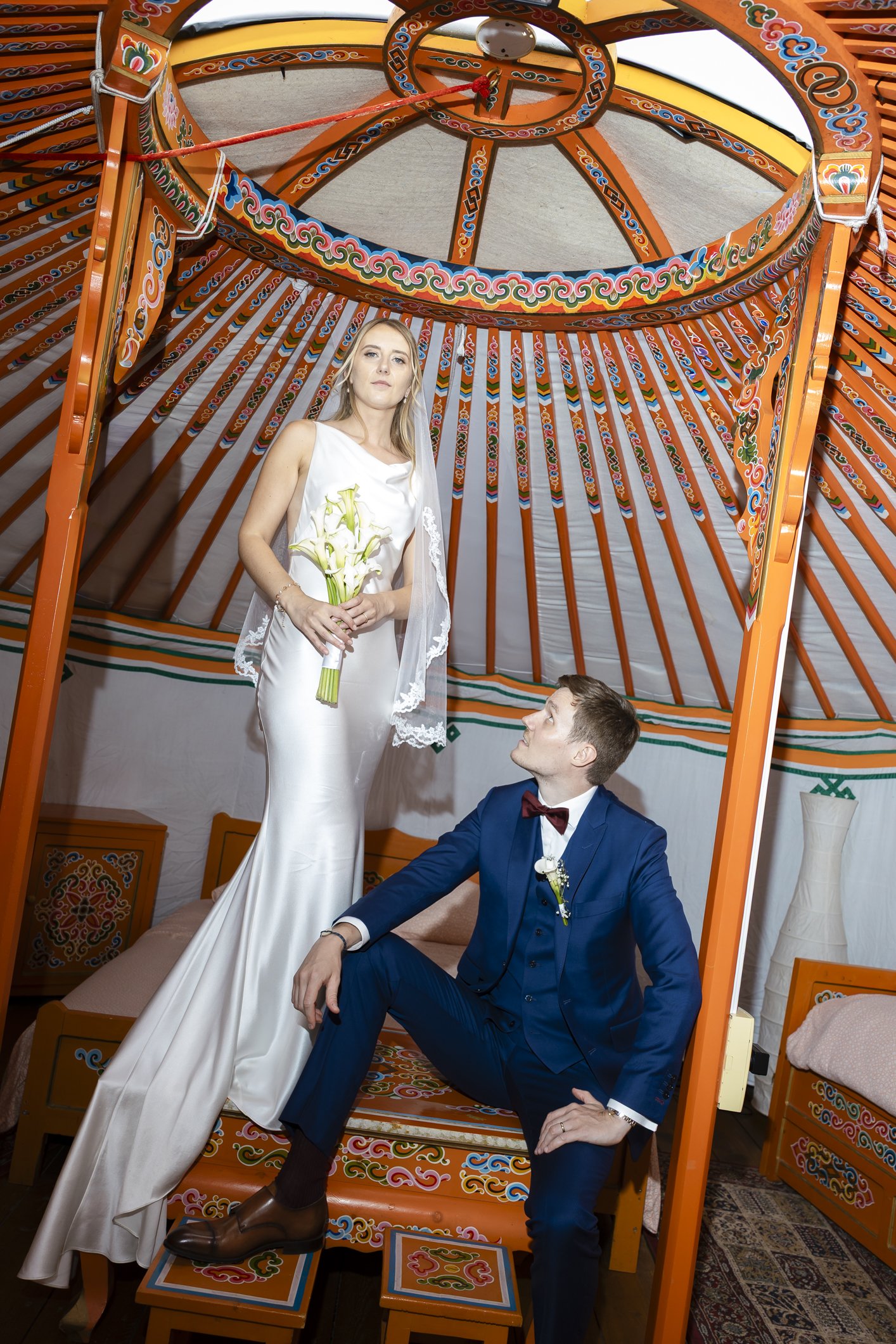
But a wedding cannot be approached in the same way as an editorial shoot.
It is not still, not controlled, not repeatable.
What defines this approach lies elsewhere, in the way these visual codes are not applied, but absorbed, reinterpreted, and allowed to shift in response to what is happening in real time.
Because people move, hesitate, react, feel, and everything that unfolds escapes, at least in part, any attempt to fully direct it.
And it is precisely within that tension, between intention and unpredictability, that this way of photographing begins to take its meaning, allowing images to hold both a form of structure and something far more instinctive, something that cannot be entirely anticipated.
Editorial wedding photography vs traditional wedding photography
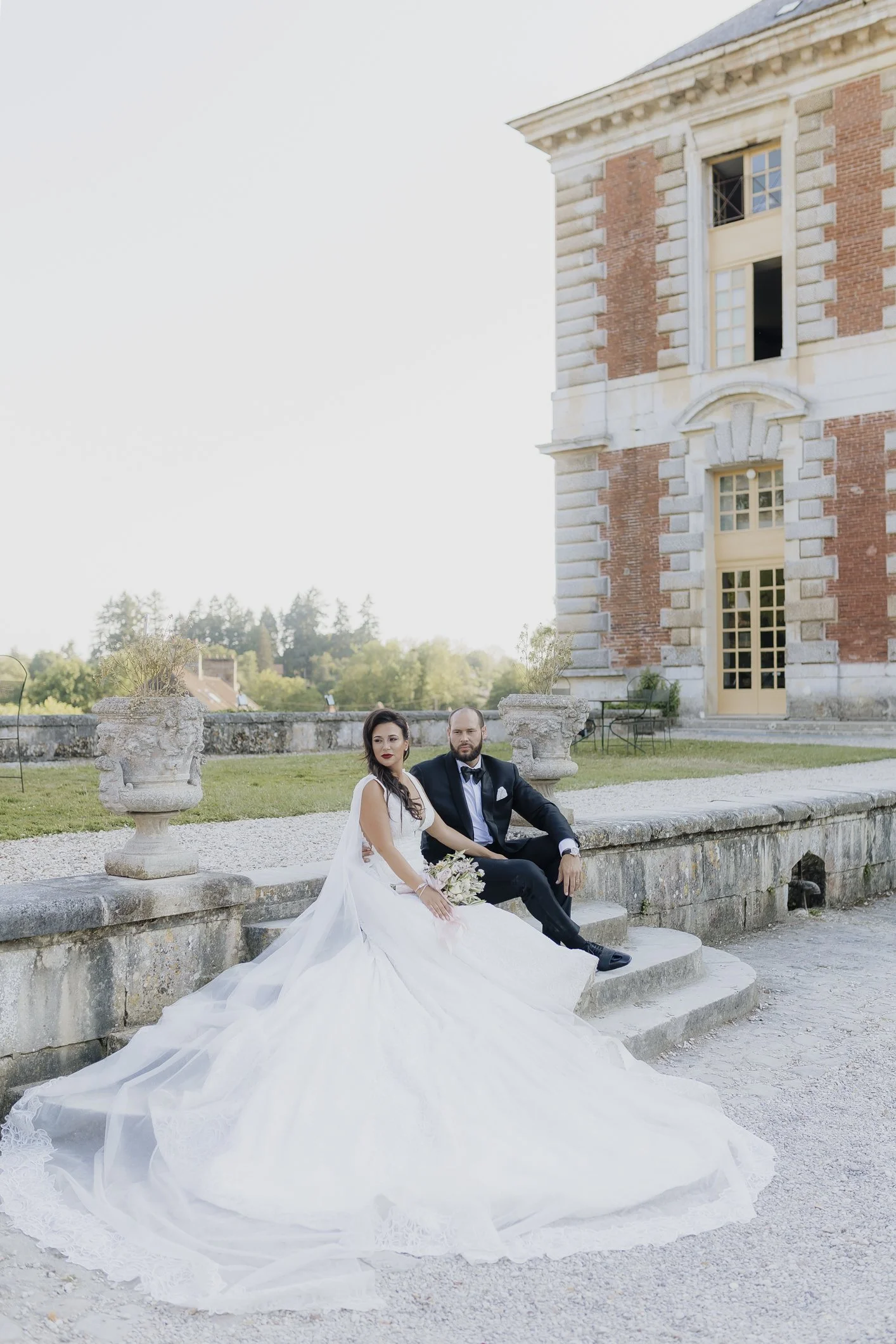
The distinction between editorial and traditional wedding photography is often simplified, as if one were posed and the other entirely spontaneous, as if one required direction and the other rejected it.
In reality, the difference is less about opposition and more about intention.
Traditional wedding photography tends to prioritize documentation, the faithful recording of moments as they unfold, with as little interference as possible, preserving the continuity of the day.
Editorial wedding photography, on the other hand, introduces a layer of construction, not to replace reality, but to shape it, to give it a visual strength, a presence, a way of existing within the frame that goes beyond the purely documentary.
What matters is not choosing one over the other, but understanding how they can coexist, how a moment can be both lived and composed, how an image can remain honest while still carrying a clear visual intention.
Why fashion codes elevate wedding images
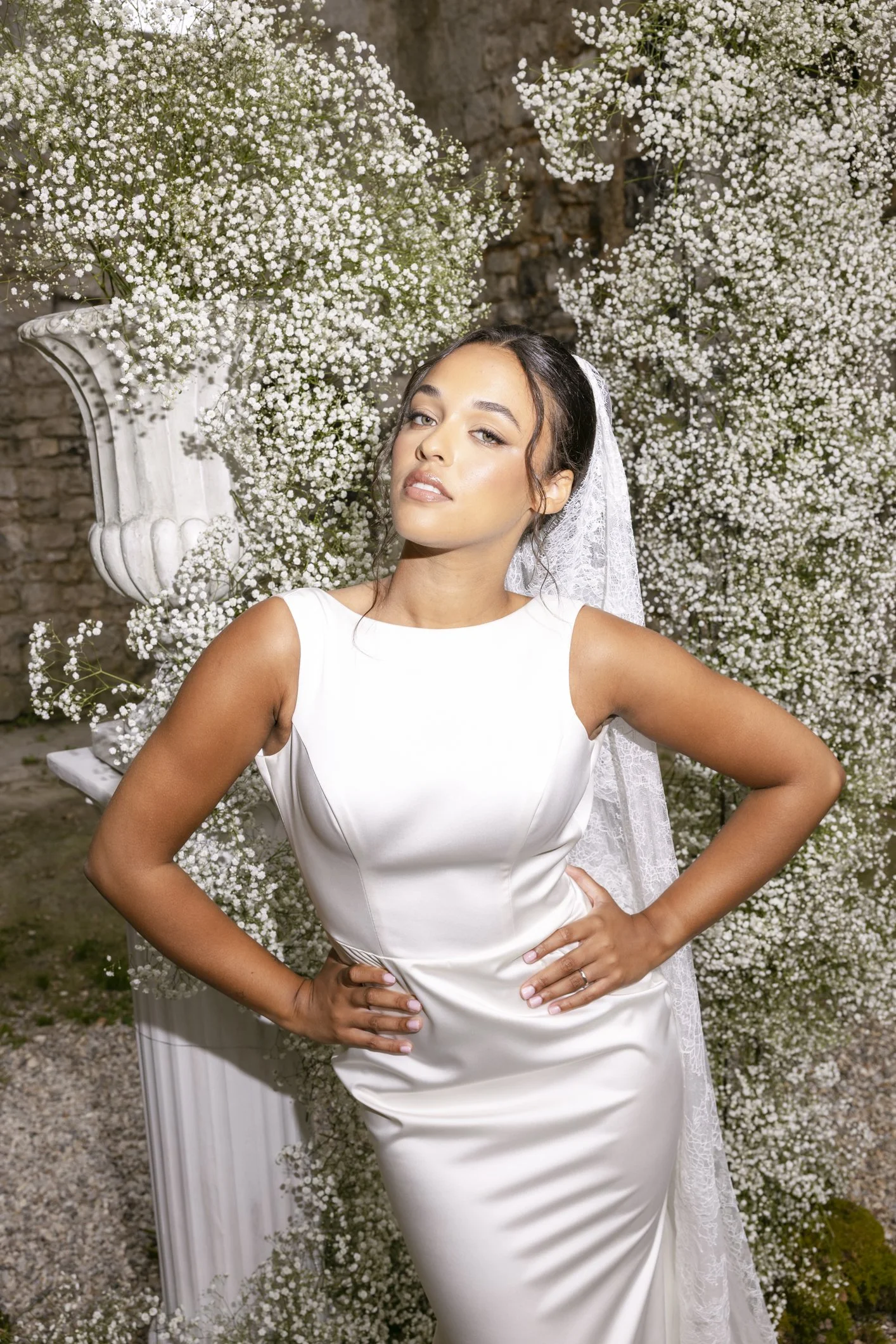
Fashion brings with it a way of seeing, a sensitivity to lines, to movement, to the relationship between a body and the space it occupies, that naturally elevates the way an image is constructed.
It introduces intention, a certain precision, not in a rigid sense, but as a way of giving weight to what is being captured, allowing even the simplest moment to take on a stronger visual presence.
And yet, this elevation does not come from complexity, but from attention, from the way light is used, from how a gesture is guided, from the subtle balance between what is controlled and what is allowed to remain free.
Direction, movement, and what it changes
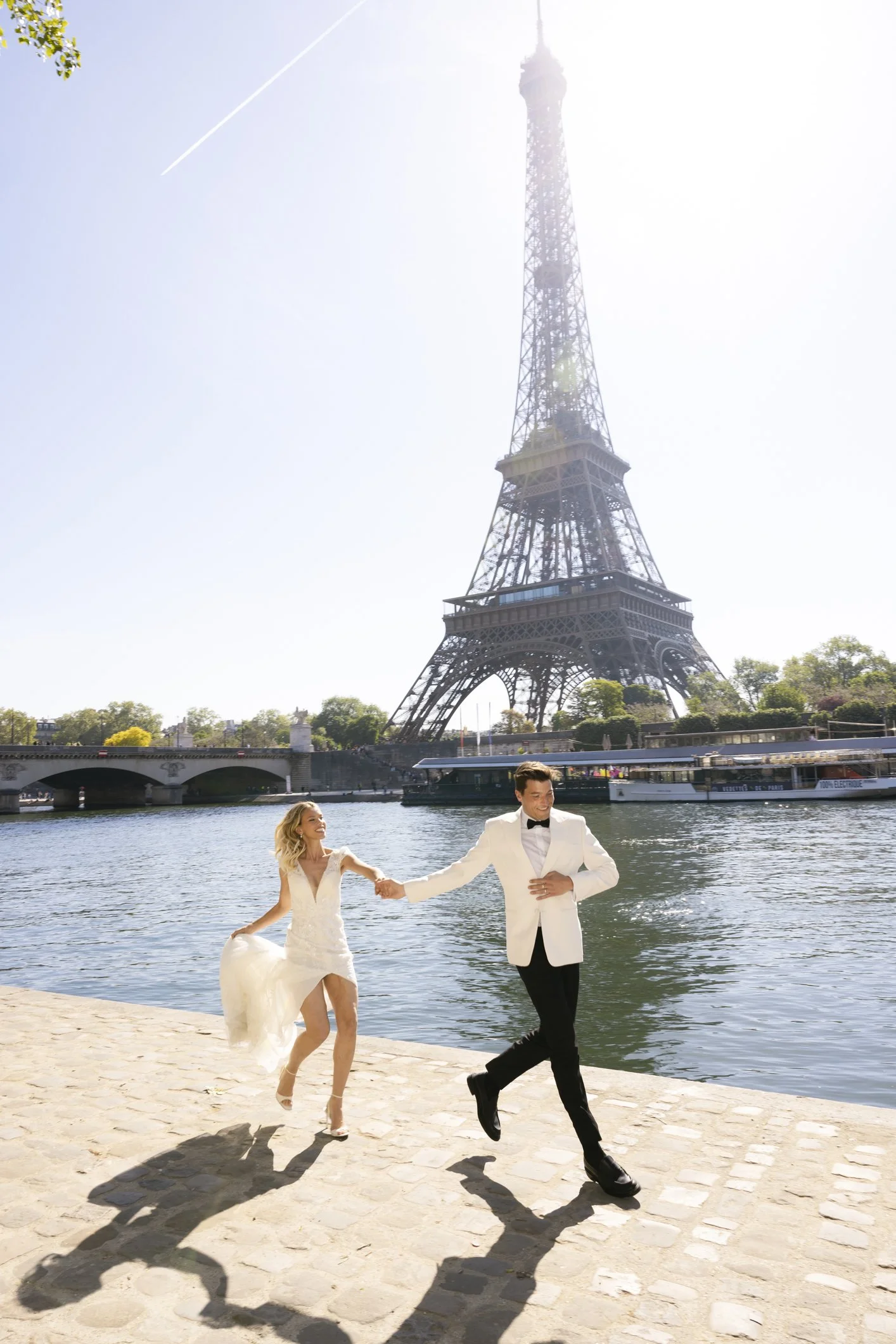
Direction is often misunderstood, as if it implied constraint, as if guiding someone within an image meant taking something away from them.
In practice, it tends to do the opposite.
It creates a starting point, a structure within which the body can settle, allowing movement to emerge more naturally, more fluidly, without the hesitation that often comes from not knowing what to do.
And once that initial intention is set, something shifts, something softer appears, a way of moving, of looking, of existing within the frame that is no longer constructed, but lived.
Who this approach is really for
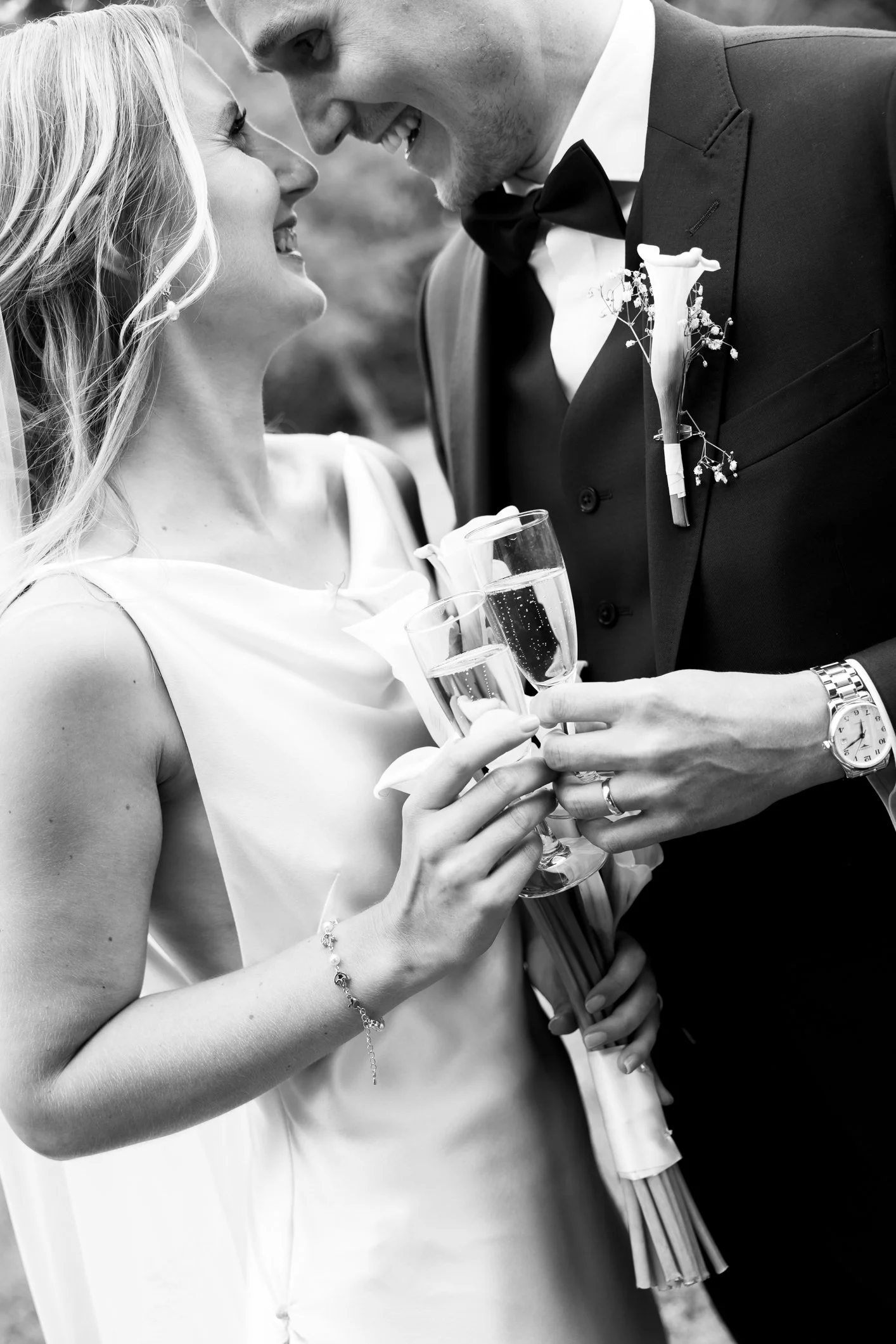
This approach tends to resonate with those who are drawn to aesthetics, to a certain visual sensitivity, but who do not want to feel disconnected from their own experience.
With those who are not necessarily comfortable in front of a camera, yet are willing to be guided, not to perform, but to find a way of existing within the image that still feels like their own.
It is not about becoming someone else for a day, nor about chasing an idea of perfection.
It is about allowing yourself to be seen with a little more intention, a little more presence, while trusting that what is real does not need to be simplified to be meaningful.
Beyond aesthetics, my work is deeply rooted in the overall wedding experience and the way couples feel throughout the day.
